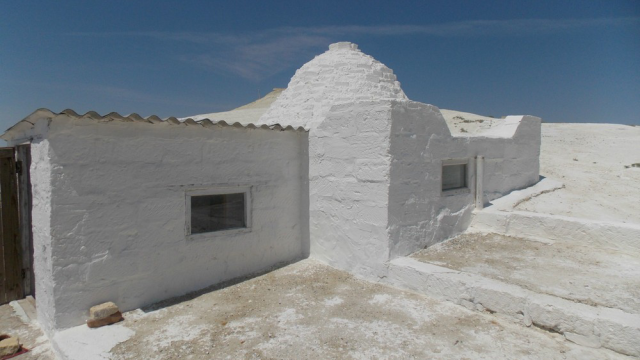
It is located 70 km east of Kulsary, Zhylyoi district of Atyrau region. Chronological period B.C. IV-B.C. II century. The group of Araltobe burial mounds was discovered in 1989 by the West Kazakhstan archeological expedition. In 1989, the West Kazakhstan archeological expedition led by Z. Samashev excavated the Araltobe burial mounds. The necropolis is divided into four parts, which probably represent the four seasons of the year. In addition, the sun is divided into 12 parts. This year may mean “12 months”. The top of the mound is covered with flat stones in a shell-like manner.In the first of the three excavations, human skeletons and fragments of glass beads and arrowheads were found. From the second mound there was a corpse with its head facing south, next to it there was a box with more than a hundred arrows, a large side pottery jar and an iron sword. Before that, the Alans lived in the period of the sword, etc. The sword, found in the Zhylyoi region in the IV-V centuries, allows us to trace the origin of this weapon to four or five centuries and connect it with the history of the Sarmatians who inhabited this region.The second man in gold in the history of Kazakhstan was found in the third excavated necropolis. In addition to the corpses of men and women, two horses and an eagle were buried at their feet. Men's clothing is adorned with gold ornaments, and even a bundle of hair, weapons, fringes, and the image of a samruk on a cane are covered with gold. This may prove that the man was a tribal leader, a commander, or a clergyman.
Reference: Kazakhstan sacred objects
of whole national importance. – Astana: Foliant, 2017. – 88-89 pp.