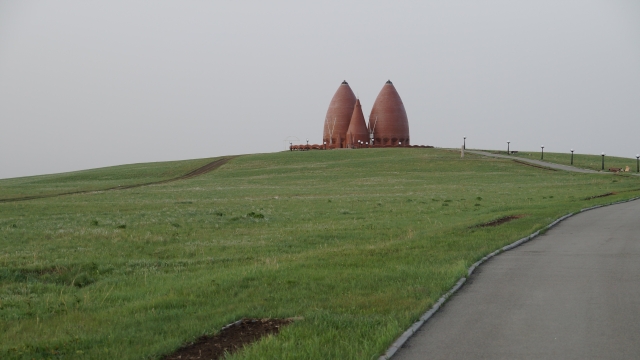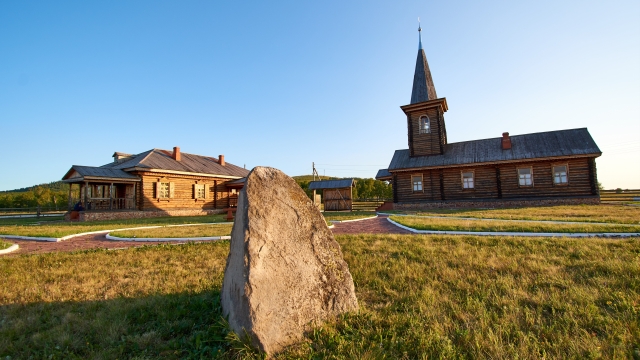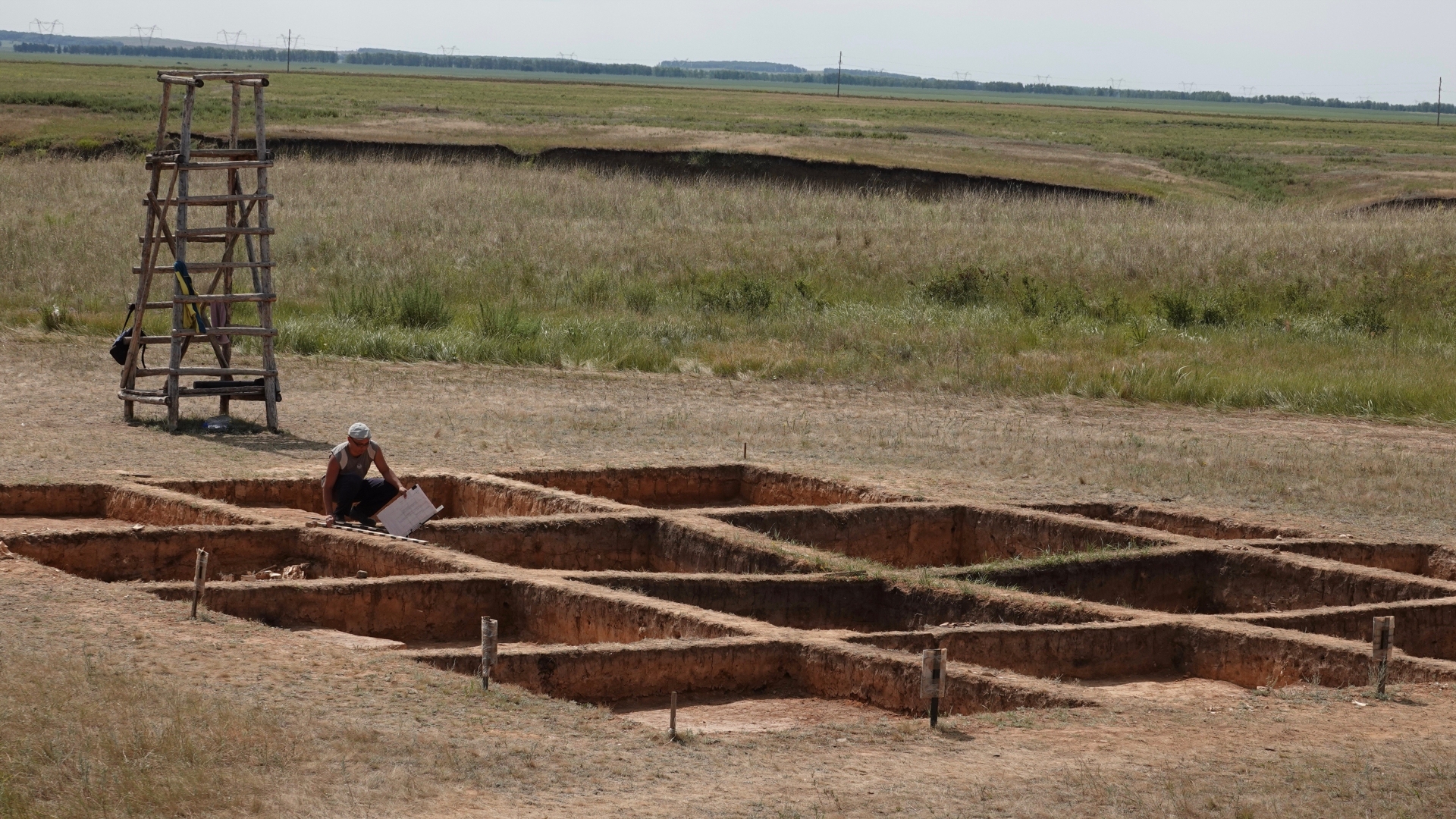
It is located 1.5 km from the aul of Nikolsk, Aiyrtau district, North Kazakhstan region. Chronological period: Eneolithic (late IV - III millennia BC).Archaeologist V.F. Seibert, who has been studying the settlement since 1980 (more than 30 years), identified the Botai culture on the basis of the study of similar monuments in northern Kazakhstan.The significance of the monument is that the wild horse was tamed for the first time on earth. In the Eneolithic period, the economic and cultural pattern formed in the steppe areas of Uralsk-Kazakhstan can be defined as a predominant, diversified horse breeding, which developed the economy. Hunting, fishing and household trades still played an important role in providing for the population.The leading place in the economy was taken by tools related to woodworking and house building. The houses in the settlement were built in a unique architectural way. In general, the settlements of the Botai culture are similar to the “shoshala” type of construction, built half on the ground.Bone-carving played a special role in the household of the Botai people. The ancient inhabitants used bone products in various industrial activities and in everyday life. In the Eneolithic, all the basic methods of bone and horn processing were known. Embellished horse saddles, stone irons, and kalsaps gave a religious and religious character, they must have been used for some ritual purpose, not for household chores. Botai is included in the UNESCO list.
Reference: Kazakhstan sacred objects
of whole national importance. – Astana: Foliant, 2017. –94-96 pp.