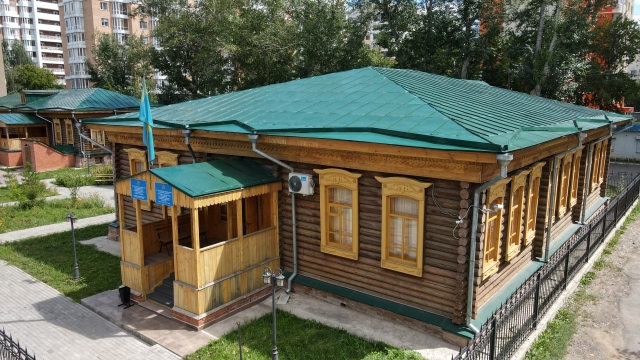
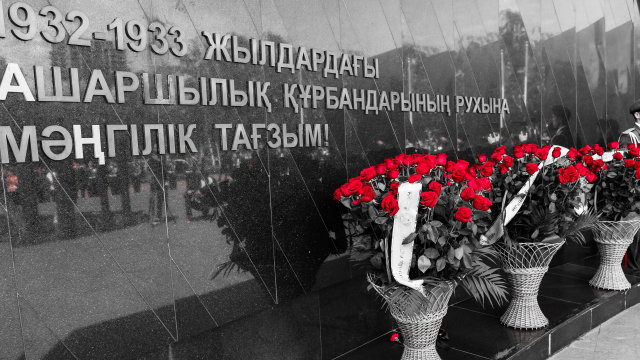
Town Bozok that existed in the 8th–18th centuries, consists of several periods. The ancient settlement Bozok is located in the center of Saryarka, on streamflow separation of the North-Siberian basin (Esil, Sileti, Shiderty) and in the Middle Asia (Nura, Sarysu) lakes, on the east side of the Buzuk river located on the left bank of Esyl river.
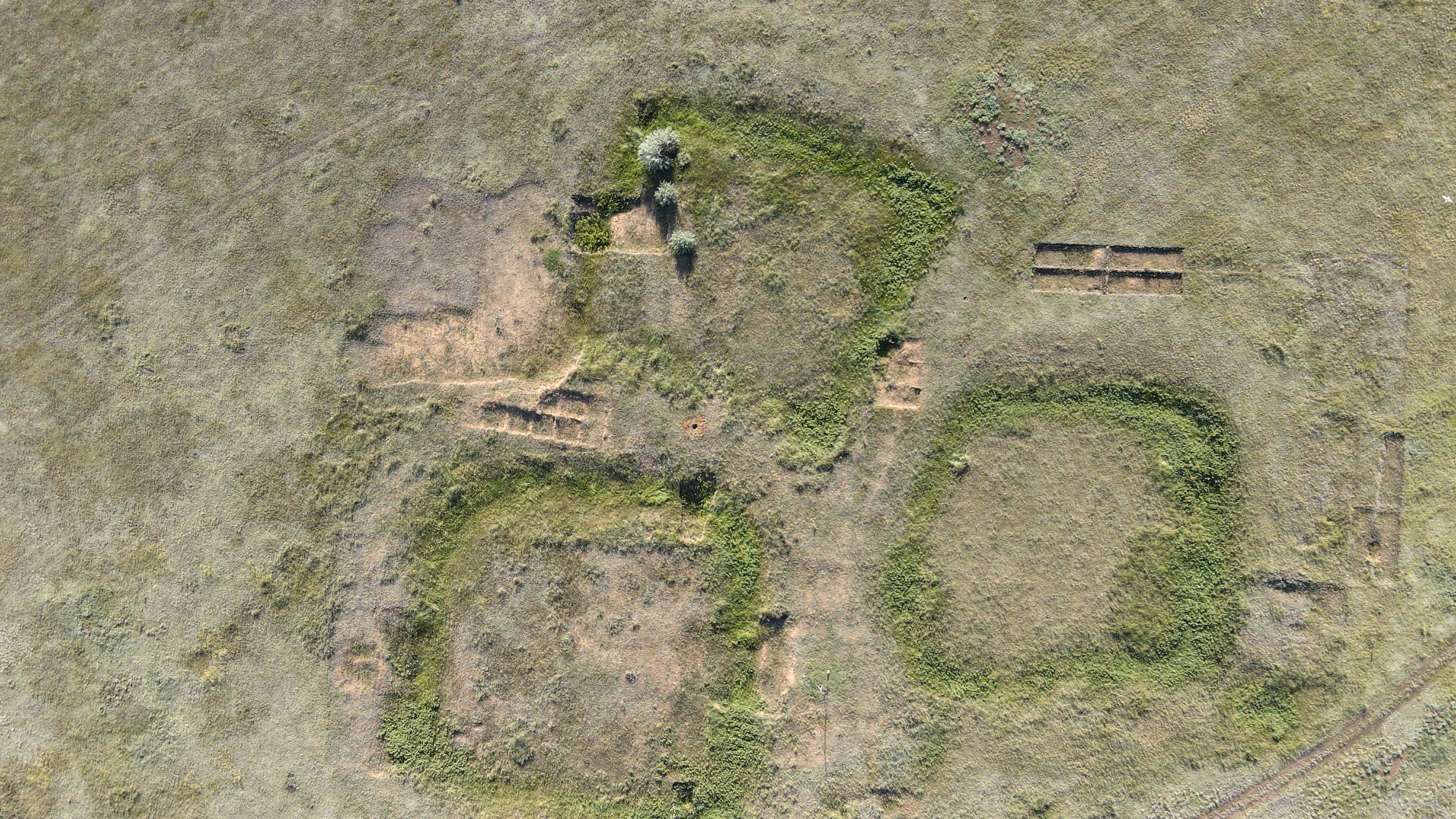
The Bozok settlement is very important for the capital of Kazakhstan as an ancient source. Thousands years ago emergence of military units in the area where modern Astana is situated is connected with geostrategic factor, which could be used for management of steppe caravans of the Silk way. This is a unique place considering its possession of lands, strategic polygon and trade ways.
The head of state N.A. Nazarbayev wrote in his works that “Medieval town Bozok can be considered as the ancestor of Akmola, and the capital of modern Kazakhstan and Astana is its last successor”.
Town Bozok consists of three groups that are situated from the North to the South (central, northern and southern). The central part of the city consists of triangular trenches. Each of them is surrounded by a fence, and at the junction of three quarters is an area of rectangular shape.
The town was administrative and trade center of the X-XІ centuries and military base of Kipchak regents along the Great silk way. In the XІІІ-XV centuries, the settlement deemed to be sacred, holy and became the place of burial of aristocracy representatives. Since the ХІV century Bozok town had been the Islamic spiritual elite center of Nur-Yessil region.
Moreover the Bozok became increasingly important in the spiritual life of people. It is considered a holy place among Muslims, where it is worshiped, commemorated the spirits, food shared, national games played, and competitions holded. At the same time, the word Turk means "steppe", white steppe and white-haired settlement.
The Bozok was one of the important centers of the famous Silk Way that linked west and east in ancient times, and Nur-Sultan became the golden bridge for current western and eastern civilization.
Reference: The Kazakhstan sacred objects
of whole national importance. – Astana: Foliant, 2017. –101-104 pp.